

In the era of smart devices, electric vehicles, and portable electronics, precision in battery charging is more crucial than ever. Traditional power supplies often fall short in maintaining consistent performance, especially when working with sensitive battery chemistries like lithium-ion or nickel-metal hydride. This is where programmable DC power supplies, especially low-voltage models such as 6V programmable DC systems, play a transformative role. These power supplies offer engineers and researchers unparalleled control, repeatability, and safety in battery charging applications.
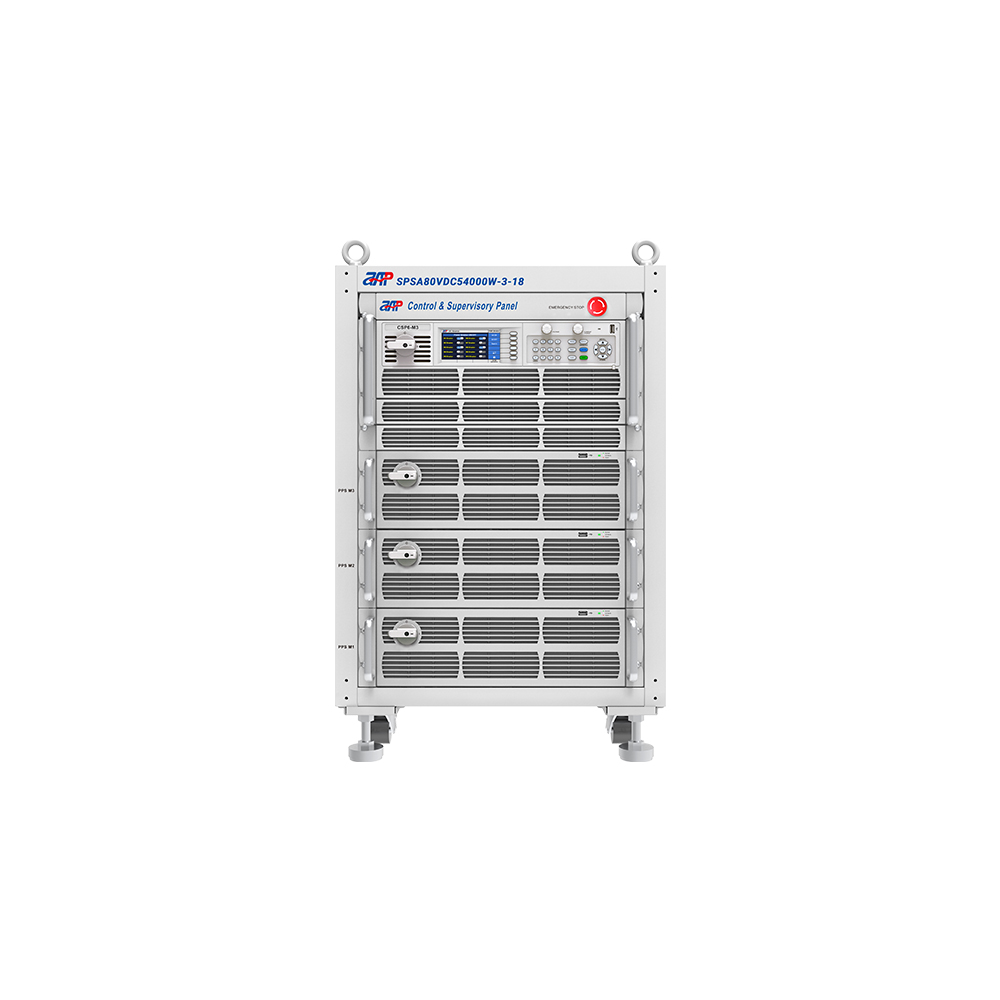
Precise Voltage and Current Regulation
Programmable DC power supplies allow users to set exact voltage and current parameters, often down to the millivolt or milliamp level. This high level of control ensures that batteries are charged within strict tolerance ranges, reducing the risk of overcharging or undercharging. Maintaining accurate voltage levels is critical for maximizing battery lifespan and ensuring device safety.
For instance, a lithium-ion battery may require a constant current (CC) charge up to 4.2V, then transition to a constant voltage (CV) phase. Programmable power supplies handle this transition automatically and smoothly, eliminating the manual intervention or the use of separate charging circuits.
Custom Charging Profiles for Different Battery Chemistries
Each battery chemistry has its unique charging curve and limitations. A programmable 6V DC power supply can be tailored to deliver a custom charging profile, which is essential when working with a diverse range of batteries, such as:
-
Li-ion: Strict voltage and temperature constraints
-
NiMH: Requires controlled trickle charge to prevent overheating
-
Lead-acid: Needs float and equalization charging stages
With programmable settings, engineers can create multi-step charging routines with time-based, voltage-based, or current-based triggers. This not only enhances charging efficiency but also enables the simulation of real-world usage conditions during battery development and testing.
Automation and Data Logging Capabilities
Most programmable power supplies come with interfaces like USB, RS232, GPIB, or Ethernet, allowing integration with PCs or test automation systems. Through software control (e.g., SCPI commands or LabView), users can run automated test sequences and record real-time data on:
-
Charging time
-
Current draw
-
Voltage fluctuations
-
Temperature (when connected to sensors)
This data is invaluable for optimizing battery performance, diagnosing defects, and performing quality assurance. Repeated and automated tests with precise control over parameters ensure a high level of reproducibility, which is essential for both R&D and production environments.
Enhanced Safety for Sensitive Charging Operations
Charging batteries, especially high-energy-density types, can be hazardous without proper safety measures. Programmable DC power supplies often include:
-
Over-voltage protection (OVP)
-
Over-current protection (OCP)
-
Thermal shutdown
-
Output delay or ramping
These features protect both the battery and the test environment from potential damage or fire hazards. For applications involving unattended or remote charging (e.g., in environmental test chambers), built-in safety protocols are critical.
Real-World Applications and Use Cases
Programmable 6V DC power supplies are particularly suitable for:
-
Prototyping and validating new battery-powered IoT devices
-
Conducting accelerated lifecycle testing for wearables
-
Simulating fast-charging environments for consumer electronics
-
Powering battery pack assembly lines with tailored charge routines
In laboratories, they are often used to mimic various charging conditions across different regions or climates, helping manufacturers ensure global compliance and user safety.
Conclusion: Precision Meets Flexibility
The combination of precise control, custom programmability, and advanced safety features makes programmable DC power supplies an indispensable tool in battery charging applications. Whether for small-scale research or industrial mass production, their ability to enhance accuracy and repeatability directly translates into safer, longer-lasting, and more efficient battery systems.
As battery technology continues to evolve, so too must the tools we use to support it. Investing in a programmable 6V DC power supply is not just about precision—it’s about staying ahead in a rapidly electrifying world.