

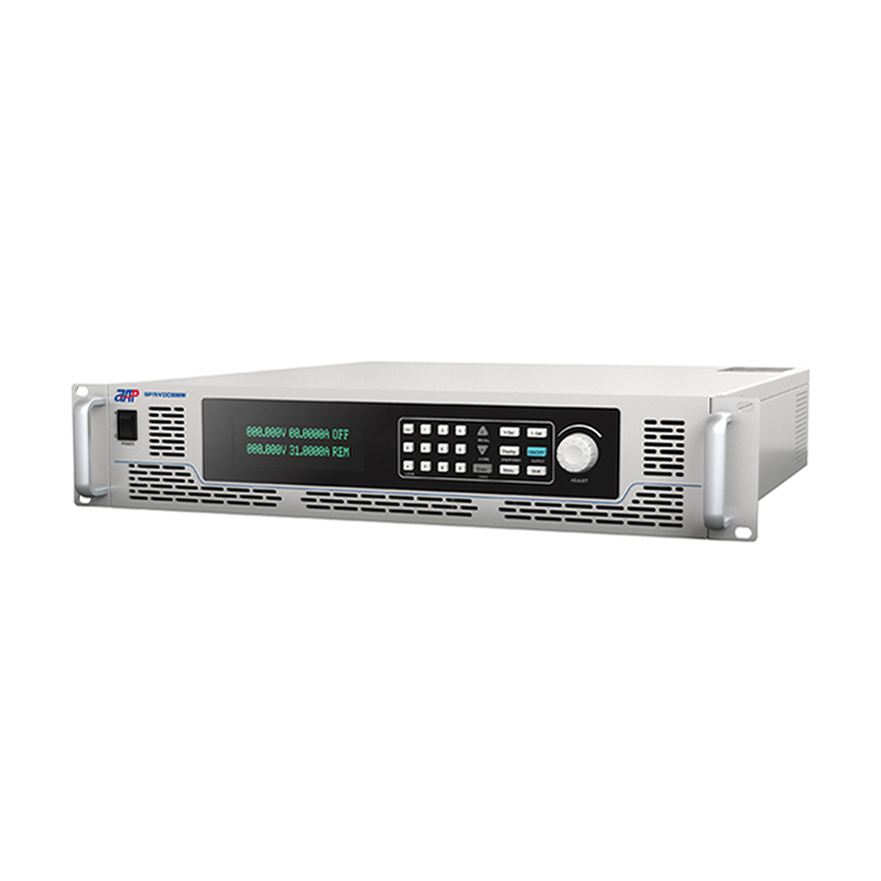
A single-channel Dc Programmable Power Supply is designed to provide one independent output with adjustable voltage and current. This type of power supply is widely used in applications where a single load or device under test requires stable, precise power control. Because all internal resources are dedicated to one output, single-channel units often deliver higher accuracy, faster transient response, and lower output noise compared to multi-channel models at the same price level. For engineers working with sensitive electronics, precision instruments, or component-level testing, this simplicity can be a major advantage.
In contrast, a multi-channel Dc Programmable Power Supply integrates two or more independent outputs into a single unit. Each channel can usually be controlled separately, allowing users to power multiple devices or multiple voltage rails simultaneously. This configuration is particularly valuable in complex test setups where products require several voltage levels, such as embedded systems, automotive electronic control units, or communication equipment. By consolidating multiple outputs into one device, multi-channel power supplies reduce bench space, wiring complexity, and overall equipment count.
One of the most important considerations when comparing single-channel and multi-channel Dc Programmable Power Supply solutions is test accuracy. Single-channel units are often preferred in high-precision environments because they minimize internal interference between outputs. Since there is no shared internal circuitry between multiple channels, voltage regulation and current stability tend to be more consistent. For calibration labs, semiconductor testing, or analog circuit validation, this level of performance can directly affect measurement reliability.
Multi-channel models, while extremely convenient, may introduce minor compromises in accuracy or response speed, especially in entry-level or mid-range designs. However, modern high-end multi-channel Dc Programmable Power Supply systems have largely closed this gap. Many advanced models offer fully isolated channels, programmable tracking modes, and synchronized output control, making them suitable even for demanding applications. The key is understanding whether channel isolation and independent control are required for your specific use case.
From a workflow perspective, multi-channel power supplies often provide higher efficiency in production and automated test environments. Instead of managing multiple single-channel units, engineers can control all outputs through one interface or via remote software using LAN, USB, or GPIB connections. This centralized control simplifies test automation, reduces setup time, and lowers the risk of configuration errors. For manufacturers running repetitive tests or large-scale validation processes, these operational advantages can outweigh the slightly higher initial cost.
Cost is another factor that frequently influences the decision. A single-channel Dc Programmable Power Supply typically has a lower upfront price, making it attractive for small labs, startups, or applications with limited power requirements. However, when multiple outputs are needed, purchasing several single-channel units can quickly become more expensive than investing in one multi-channel system. Additionally, maintenance, calibration, and power consumption costs should be considered over the entire lifecycle of the equipment.
Scalability also plays a role in long-term planning. Single-channel power supplies offer flexibility when systems evolve, as additional units can be added incrementally as new testing needs arise. Multi-channel systems, on the other hand, are ideal when future requirements are already known and unlikely to change significantly. Choosing the right configuration depends on whether your testing environment is stable or rapidly evolving.
Another aspect often overlooked is reliability and fault isolation. In a single-channel Dc Programmable Power Supply, a failure affects only one output and one test path. In multi-channel units, although channels are typically protected, a single internal fault may impact multiple outputs, potentially disrupting several tests at once. For mission-critical applications, this risk should be carefully evaluated.
Ultimately, there is no universal answer to whether a single-channel or multi-channel Dc Programmable Power Supply is better. Single-channel units excel in precision, simplicity, and independent operation, making them ideal for sensitive testing and specialized applications. Multi-channel power supplies offer superior efficiency, space savings, and integrated control, which are essential in complex systems and automated test environments. The best choice depends on your voltage and current requirements, accuracy expectations, test complexity, and long-term operational strategy.
By carefully matching the power supply configuration to your application rather than choosing based solely on price or popularity, you can ensure stable performance, reliable testing results, and a more efficient workflow.