

When selecting a DC Power Supply,one of the first considerations is the voltage and current range.Choosing the right range ensures the power supply can meet your device or project requirements safely and efficiently.For small electronics testing,a Bench DC Power Supply with a low voltage range,such as 0–30V,is often sufficient.For industrial applications,a Switching DC Power Supply may be needed,offering higher voltage and current capabilities.
An Adjustable DC Power Supply provides flexibility,allowing you to fine-tune both voltage and current output according to your project needs.This is particularly useful for R&D environments,electronics labs,or prototyping.Meanwhile,a Regulated DC Power Supply ensures that voltage and current remain stable under varying loads,preventing damage to sensitive devices.
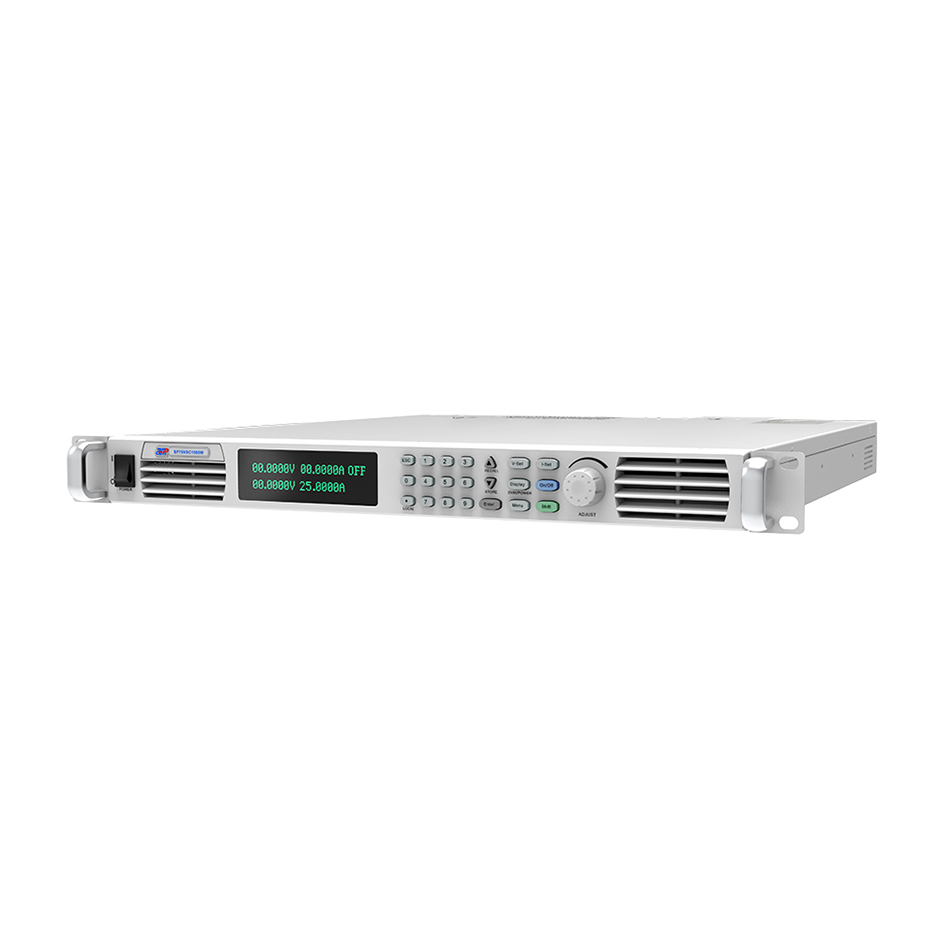
When calculating the voltage and current range,always consider the maximum requirements of your load plus a safety margin.For example,if your device operates at 12V and 3A,a power supply rated at 15V and 5A provides safe headroom.Overestimating is safer than underestimating,but excessively high ranges may reduce efficiency and precision.
In summary,understanding your application requirements is key.Combining the features of Adjustable,Switching,and Regulated DC Power Supply ensures flexibility,stability,and safety.A Bench DC Power Supply is ideal for testing and development purposes,offering a balance of control,accuracy,and reliability for any electronics project.