
Understanding how ripple noise affects DC Power Supply performance can help engineers select the right power solution for sensitive applications.
What Is Ripple Noise in a DC Power Supply?
Ripple noise refers to unwanted AC fluctuations superimposed on the DC output voltage. Even after power conversion, small voltage variations may still remain in the output signal.
In most systems, electricity first passes through an ac to dc converter, which transforms alternating current into direct current. During this conversion process, incomplete filtering can create ripple noise.
Although ripple levels are usually small, they can still affect precision electronics and sensitive components.
Causes of Ripple Noise
Several factors contribute to ripple generation in a DC Power Supply:
- Switching frequency from internal circuits
- Poor filtering design
- Low-quality capacitors
- Unstable input voltage
- Electromagnetic interference
- Overloaded operating conditions
High-performance power systems use advanced filtering technologies to minimize ripple and maintain stable DC output.
Effects of Ripple Noise on Electronic Equipment
Reduced Device Accuracy
In laboratory instruments and testing equipment, ripple noise may cause inaccurate readings and unstable measurement results.
Interference With Communication Systems
Telecommunication devices and network equipment can experience signal distortion when powered by unstable DC voltage.
Shortened Component Lifespan
Excessive ripple increases heat generation inside electronic components, potentially reducing their operating lifespan.
Battery Charging Problems
Ripple noise can negatively affect charging efficiency and battery health, especially in lithium battery systems.
Audio and Video Distortion
In audio amplifiers and display systems, ripple may produce unwanted background noise or image instability.
Importance of AC to DC Converter Quality
The performance of an ac to dc converter directly impacts ripple control. A high-quality converter improves overall DC stability by providing:
- Efficient power conversion
- Better voltage regulation
- Lower electromagnetic interference
- Improved thermal performance
- Reduced output fluctuation
Industrial-grade converters are designed to deliver cleaner DC power for demanding applications.
Features of a Reliable AC DC Adapter
An ac dc adapter also plays an important role in reducing ripple noise for small electronic devices. Modern adapters often include:
- Integrated filtering circuits
- Stable voltage output
- Overload protection
- Compact and energy-efficient design
- Low standby power consumption
Reliable adapters help maintain stable operation for consumer electronics, communication devices, and smart home products.
How to Reduce Ripple Noise in DC Power Systems
Manufacturers and engineers can reduce ripple noise by:
- Using high-quality filtering capacitors
- Selecting low-noise switching designs
- Improving grounding and shielding
- Avoiding overloaded operation
- Choosing industrial-grade DC Power Supply systems
- Using advanced ac to dc converter technology
Regular maintenance and proper system design also help improve long-term power stability.
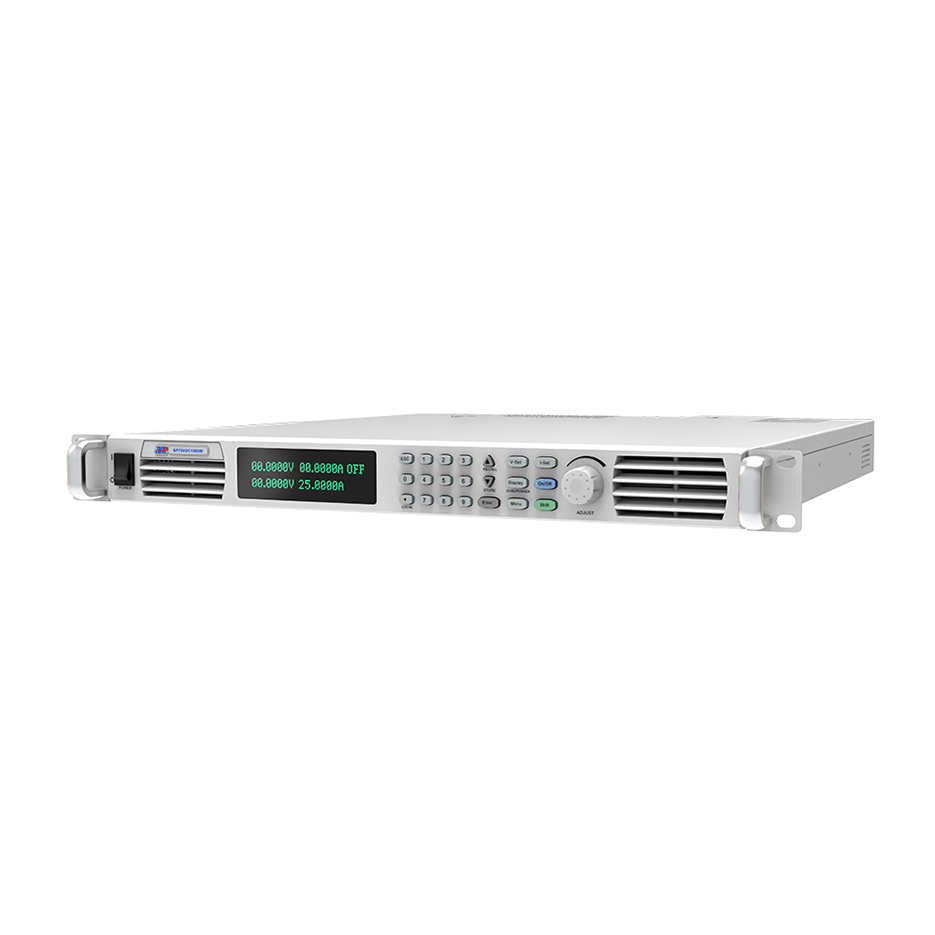
Ripple noise has a direct impact on the performance, reliability, and lifespan of electronic systems. A high-quality DC Power Supply with advanced ac to dc converter technology and reliable ac dc adapter solutions can significantly reduce ripple-related problems.
For industries requiring stable and precise power delivery, selecting low-ripple DC power solutions is essential for ensuring equipment safety, operational efficiency, and long-term reliability.