
In automotive electronics development,especially for electric vehicles(EVs),selecting the right DC source system is essential for accurate testing and reliable performance validation.It is widely used in ECU testing,BMS development,battery simulation,and onboard charger verification.
The first step is to clearly define your application.Different tests require different power levels.For example,ECU and sensor testing usually need low voltage,while EV battery simulation may require high voltage and high current output.A suitable DC source system should cover a wide adjustable range to support multiple testing scenarios.
Precision and stability are critical in automotive applications.Even small voltage fluctuations can affect test accuracy.Therefore,engineers should focus on voltage accuracy,ripple noise,load regulation,and long-term stability to ensure consistent test conditions.
Another key factor is programmability.A programmable DC source system allows users to simulate real driving conditions,such as sudden load changes,voltage drops,or dynamic power profiles.This is especially important in EV battery and charging system testing.
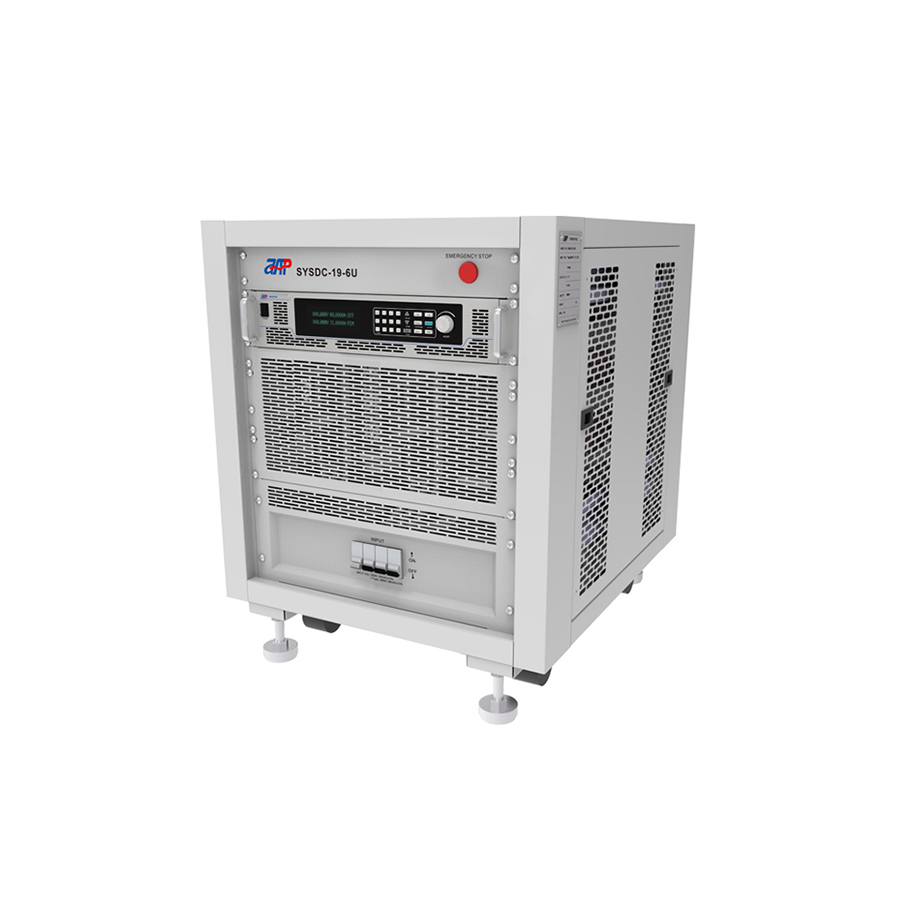
Safety features should not be ignored.Over-voltage,over-current,and over-temperature protection are necessary to protect both equipment and operators during high-power testing.
In addition,communication interfaces such as Ethernet,USB,or CAN help integrate the DC source system into automated test platforms,improving efficiency in R&D environments.
Finally,consider manufacturer support and customization options.Automotive projects often require tailored solutions,firmware upgrades,and long-term technical support.
In summary,choosing the right DC source system for automotive electronics development depends on balancing performance,precision,safety,and application needs.A well-selected system can significantly improve testing accuracy and accelerate EV product development.