
A DC power supply is essential in electronics,laboratories,and industrial applications,but not all units are designed the same.The two most common types are linear DC power supply and switching DC power supply.Understanding their differences helps engineers,hobbyists,and buyers choose the right model for specific needs.
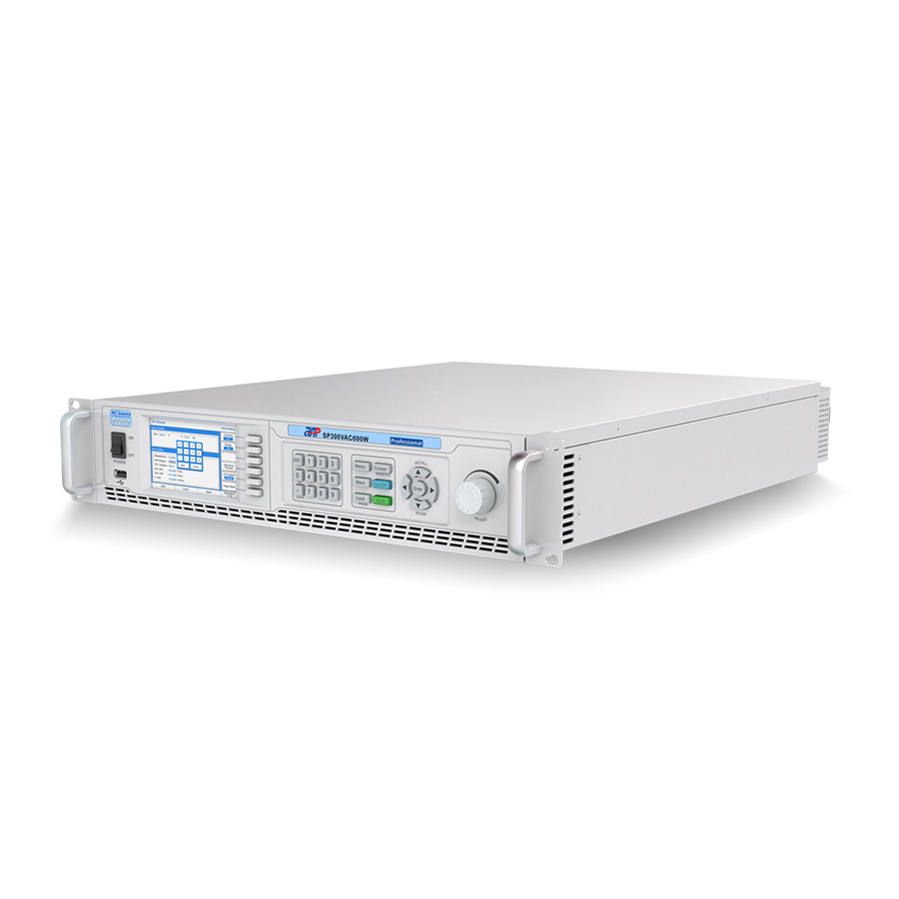
A linear DC power supply works by reducing the AC voltage through a transformer and then converting it into DC with rectifiers and filters.Its main advantage is low ripple and noise,which makes it suitable for sensitive applications such as audio testing,medical instruments,or research laboratories.However,it is usually larger,heavier,and less efficient because a significant amount of energy is lost as heat.
On the other hand,a switching DC power supply uses high-frequency switching regulators to convert and control voltage.It is lightweight,compact,and highly efficient,often reaching above 80–90%efficiency.Switching supplies are widely used in consumer electronics,computers,telecommunications,and industrial automation.The main drawback is that they may generate electrical noise and ripple,which requires additional filtering in sensitive environments.
In summary,the choice between linear and switching dc power supply depends on the application.If stability and ultra-low noise are critical,a linear type may be the best option.If efficiency,size,and cost are more important,a switching type is usually preferred.Understanding these differences ensures that users select the right dc power supply for reliable performance in their projects.