

A DC power supply is designed to provide a stable direct current output,but in reality,small fluctuations in voltage,known as ripple,are often present.Ripple is the unwanted residual periodic variation of the DC output,usually caused by incomplete suppression of the alternating waveform after rectification.
The main causes of ripple in a dc power supply include inadequate filtering,poor quality capacitors,high load demand,and limitations of the rectifier design.In linear power supplies,ripple is typically linked to insufficient smoothing after AC to DC conversion.In switching power supplies,ripple may result from high-frequency switching noise or insufficient decoupling.
Excessive ripple can lead to unstable circuit performance,noise interference in sensitive electronics,and even premature component failure.For engineers and buyers,understanding ripple is critical when selecting the right dc power supply for laboratory or industrial applications.
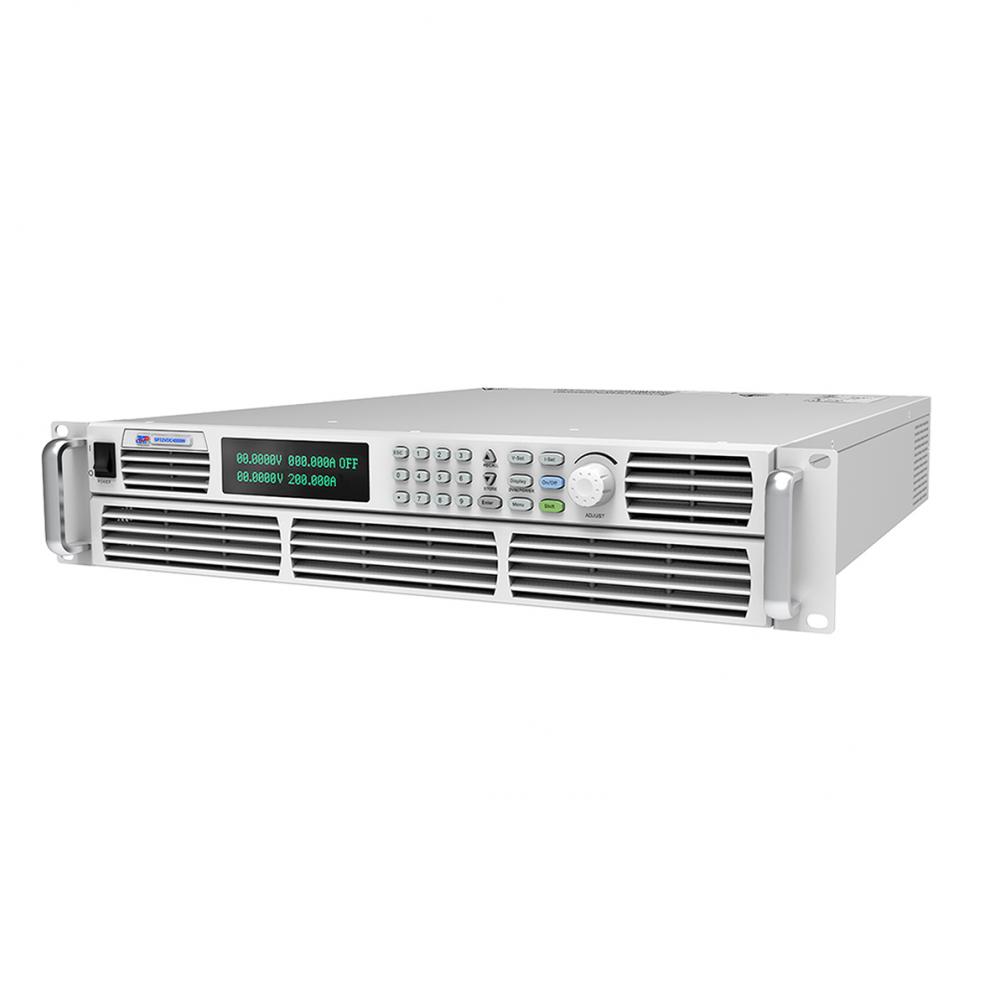
There are several effective ways to reduce ripple.The most common method is to use higher quality and larger value filter capacitors to smooth the rectified output.Adding inductors or LC filters can also significantly lower ripple in sensitive systems.In modern designs,voltage regulators and low dropout regulators(LDOs)are often applied after the dc power supply to provide a cleaner,more stable output.Additionally,ensuring proper grounding and shielding helps minimize noise interference.
In summary,ripple is a normal but controllable characteristic of any dc power supply.By choosing the right design,using quality components,and applying additional filtering techniques,ripple can be minimized to meet the requirements of both industrial and laboratory applications.