

Low noise in a DC Source System means that the output voltage and current remain consistent without fluctuations or interference. This is achieved through efficient filtering, shielding, and regulation circuits that suppress ripple and electrical disturbances. A well-engineered system minimizes electromagnetic interference (EMI) and power ripple, ensuring that sensitive devices receive clean power for accurate measurement and performance evaluation.
High precision is another critical factor that defines the quality of a DC Source System. Precision depends on the stability of the internal reference voltage, feedback accuracy, and digital control resolution. Modern programmable DC Source Systems use closed-loop control to continuously monitor and adjust the output, guaranteeing consistent voltage levels even under varying load conditions. This makes them ideal for testing environments that demand repeatable results and reliable performance.
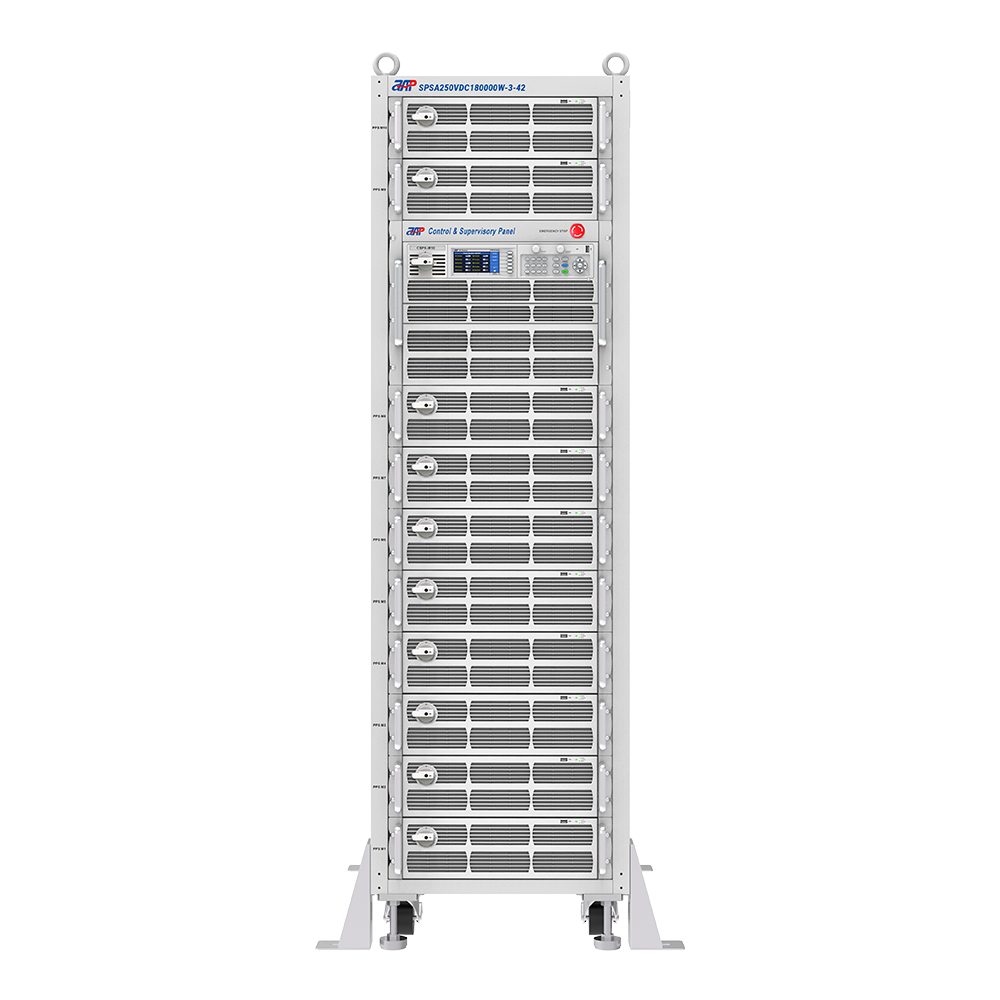
In addition, temperature compensation and calibration functions help maintain long-term stability. Many advanced systems integrate digital interfaces such as USB, GPIB, or LAN to ensure accurate remote control and data acquisition. By combining low-noise circuitry with precise digital regulation, a DC Source System provides an ideal power environment for laboratories, manufacturing lines, and automated testing setups.