

During charging simulation, the DC Source System provides a controlled voltage source that can follow constant voltage (CV) or constant current (CC) charging modes. This enables accurate replication of how batteries behave during the charging process, including voltage rise, current tapering, and thermal effects. The system’s ability to output stable and noise-free power ensures that the results are consistent and reliable.
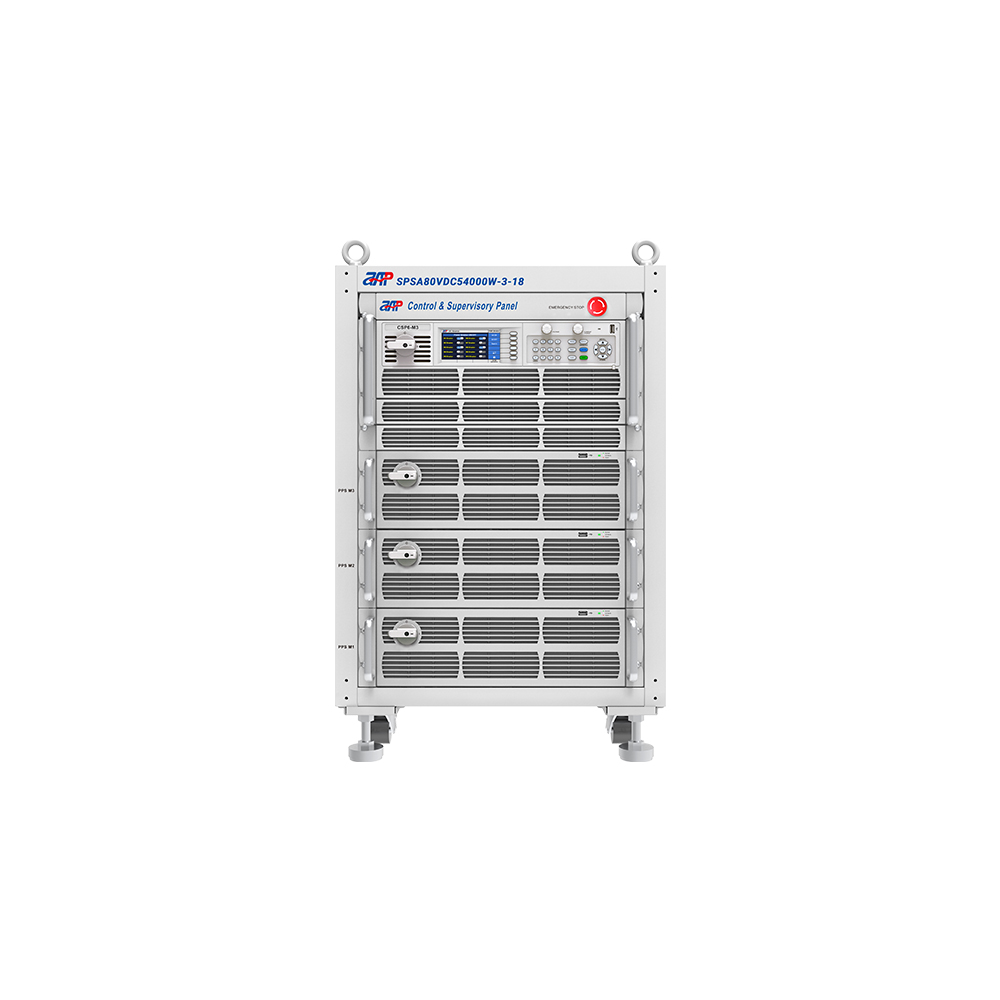
For discharging simulation, a DC Source System can act as a sink by controlling current flow to represent load consumption. This is useful for evaluating battery management systems (BMS), testing safety protections, and measuring efficiency. Advanced systems even support regenerative functions, allowing recovered energy to be fed back to the grid, improving energy efficiency and reducing heat loss.
By using programmable sequences and real-time monitoring, engineers can test different charging curves, environmental temperatures, and aging conditions. The DC Source System provides high precision, repeatability, and automation—essential features for modern battery testing and development.
In summary, a high-quality DC Source System does more than just supply power; it accurately reproduces real-world battery behavior, helping manufacturers design safer, more efficient energy storage solutions.