

APM Power has become one of the most widely used programmable power solutions in laboratory testing,industrial automation,and high-precision device evaluation.Many engineers and manufacturers want to know whether APM Power supports remote control and automation.In modern testing environments,remote operation is not just convenient—it is essential for efficiency,safety,and large-scale automated workflows.
APM Power offers strong remote-control capabilities through multiple communication interfaces such as RS485,RS232,USB,GPIB,and LAN.These interfaces allow users to easily connect APM Power systems to computers,PLCs,and automated test benches.With built-in SCPI and Modbus protocols,engineers can perform real-time monitoring,parameter adjustments,and automated sequencing without manual intervention.This opens the door for highly flexible test programming and long-duration unattended testing.
In many industries,automated testing is required to ensure accuracy and repeatability.APM Power supports complex programmable steps including voltage ramping,current cycling,timing control,and dynamic loading.By integrating these features into automated scripts,users can conduct stable and repeatable tests for batteries,motors,power modules,electronics,and other sensitive devices.Remote operation also improves safety by reducing manual handling in high-voltage environments.
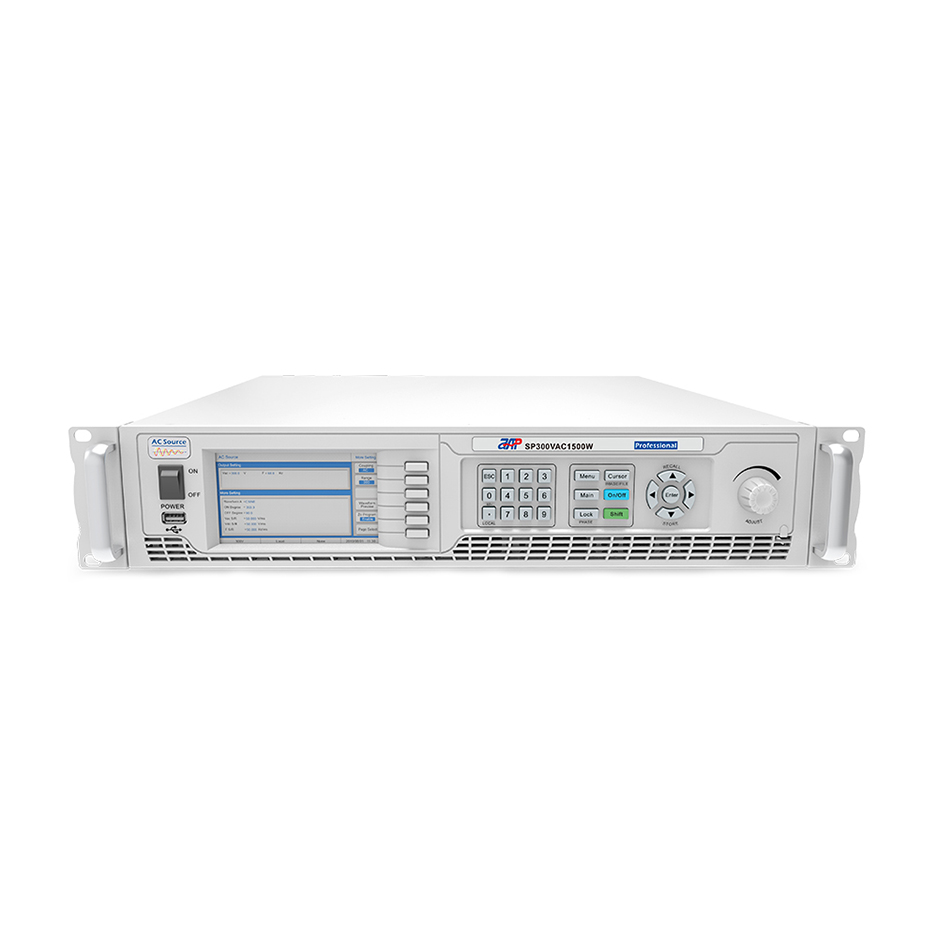
APM Power is widely applied in R&D laboratories,production lines,automotive electronics testing,and energy-storage evaluation.With remote-control integration,engineers can monitor multiple test channels simultaneously,optimize workflows,and reduce labor costs.Whether for automated quality inspection or long-term performance verification,APM Power provides the flexibility and precision needed for modern industrial automation.
In summary,APM Power fully supports remote control and automation through standardized communication protocols and programmable features.It helps users improve testing efficiency,maintain stable performance,and build intelligent testing systems that meet the demands of high-speed product development and industrial automation.