
Cooling is one of the most overlooked yet critical factors affecting the performance and lifespan of high-voltage equipment. For an 800-1000V/10A Power Supply, the heat generated during operation can significantly influence efficiency, reliability, and long-term stability. High voltage creates greater electrical stress on internal components, and when a system is running continuously or under heavy load, the temperature inside the power unit can rise rapidly. Without proper cooling technology, even the most advanced Power Supply may experience premature aging, thermal shutdown, or irreversible component damage.
The first requirement for effective cooling is proper thermal design. A high-voltage Power Supply typically includes heat-producing components such as IGBTs, MOSFETs, transformers, rectifiers, and power resistors. These elements must be arranged to optimize airflow and heat dissipation. A well-engineered layout prevents hotspots, ensures that each component receives adequate cooling, and allows heat to spread evenly across the structure instead of accumulating in one area.
Forced-air cooling is a common approach for 800-1000V/10A Power Supply models used in industrial environments. High-speed fans pull cool air from outside and push hot air out of the system. This method is effective for compact designs where internal components are dense. However, forced-air cooling requires precision: airflow direction, fan speed, dust-proof structures, and noise control must be taken into account. If the airflow path is poorly designed, heat may circulate inside the unit instead of being expelled, reducing cooling efficiency.
For more demanding applications, fan-assisted cooling may not be sufficient. High-voltage systems with continuous 10A output or extended high-temperature operation often require heat sinks with large surface areas. Aluminum heat sinks, copper base plates, and thermal interface materials are used to conduct heat away from critical components. A larger heat sink allows more efficient passive cooling, especially when the Power Supply is installed in an enclosure where airflow is restricted.
In some advanced configurations, liquid cooling is recommended. Although not needed for all 800-1000V/10A Power Supply units, applications such as semiconductor testing, laser equipment, or EV battery simulation may generate extreme heat levels. Liquid cooling offers more stable temperature control and faster heat removal than air-based methods. A water-cooled Power Supply can maintain consistent output even under heavy load, improving long-term reliability and preventing performance degradation.
Environmental factors also play a major role in cooling requirements. Dust, humidity, and ambient temperature all affect the heat dissipation of a Power Supply. For example, a dusty environment can clog the ventilation paths and reduce airflow, causing temperatures to rise. High humidity can reduce electrical insulation performance. High-temperature industrial workshops require power supplies with enhanced cooling capacity and robust thermal protection. Therefore, selecting a Power Supply that matches the environment is just as important as internal cooling design.
Thermal protection circuits are another key part of the cooling system. A high-voltage Power Supply must include temperature sensors that monitor internal heat levels in real time. When the temperature reaches the safety threshold, the Power Supply automatically reduces output or shuts down to protect internal components. This not only prevents failures but also extends the lifespan of the unit.
Proper installation also affects cooling performance. Leaving sufficient space arou
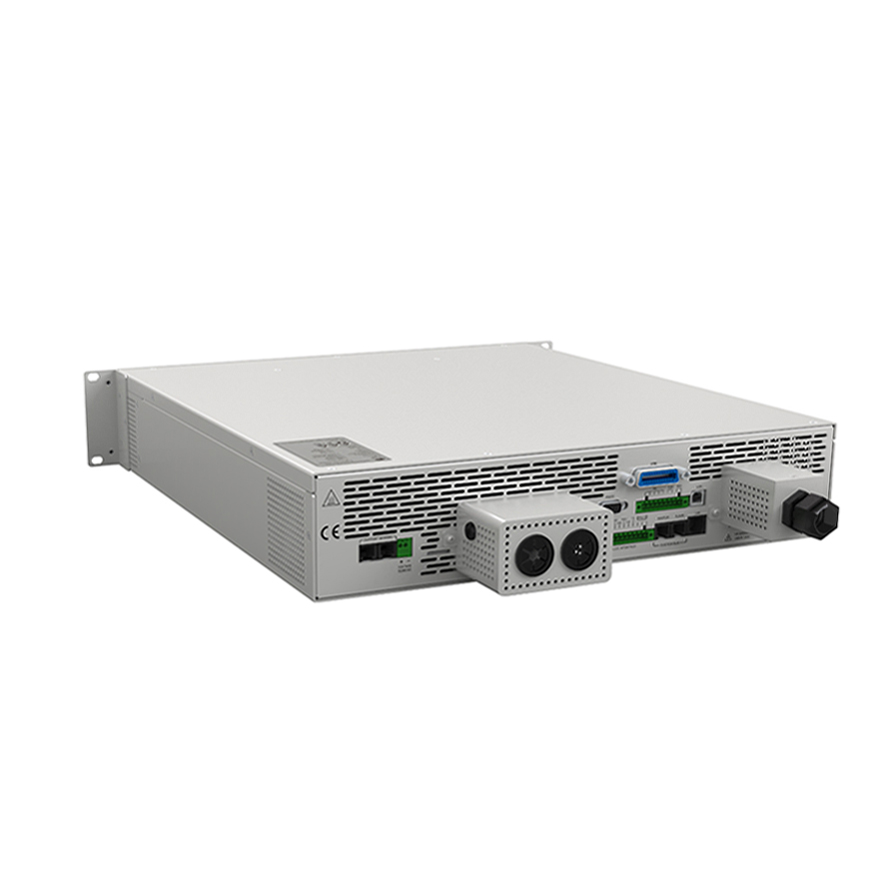 nd the Power Supply, ensuring open airflow channels, and avoiding installation near heat-generating equipment can drastically improve cooling efficiency. A poorly installed unit may overheat regardless of its internal design.
Finally, long-term maintenance plays a crucial role. A high-voltage Power Supply that runs 24/7 requires regular cleaning of heat sinks, fan replacement, checking thermal pads, and ensuring that ventilation paths remain unobstructed. Preventive maintenance reduces the risk of thermal overload and extends operational life.
In summary, the cooling requirements of an 800-1000V/10A high-voltage Power Supply include professional thermal design, effective airflow management, high-quality heat sinks, optional liquid cooling for demanding environments, strong thermal protection circuits, appropriate installation practices, and consistent maintenance. Without adequate cooling, even a high-performance Power Supply cannot operate safely at its rated output. Ensuring that heat is managed correctly is essential for achieving stable, efficient, and long-lasting performance in industrial and laboratory applications.