

Safety is a critical factor when selecting a Programmable DC Power Supply, especially in professional environments such as laboratories, production lines, and industrial testing facilities. While output accuracy and programmability often receive the most attention, safety features play an equally important role in protecting equipment, operators, and the power supply itself.
A Programmable DC Power Supply is designed to deliver controlled electrical energy, but without proper protection mechanisms, even small errors can lead to damaged components or unsafe working conditions. Understanding the essential safety features helps buyers make informed decisions and ensures reliable long-term operation.
Overvoltage protection is one of the most fundamental safety features. When enabled, it prevents the output voltage from exceeding a preset limit, even in the event of internal faults or user programming errors. This is particularly important when testing sensitive electronic components that can be permanently damaged by slight voltage spikes. A high-quality Programmable DC Power Supply allows users to define precise overvoltage thresholds to match their application.
Overcurrent protection is equally essential. During testing, unexpected short circuits or load changes can cause sudden current surges. Overcurrent protection limits the output current or shuts down the output entirely to prevent overheating and component failure. For applications involving motors, batteries, or inductive loads, a Programmable DC Power Supply with fast and accurate overcurrent response is crucial.
Overpower protection adds another layer of safety by monitoring total output power. Even if voltage and current remain within individual limits, their combined effect can exceed the safe operating range of the power supply. Advanced Programmable DC Power Supply models continuously calculate output power and automatically intervene when limits are exceeded, ensuring safe operation under dynamic loads.
Thermal protection safeguards the internal components of the power supply. Continuous operation at high load levels generates heat, which can degrade performance and shorten lifespan. Thermal sensors integrated into a Programmable DC Power Supply monitor internal temperature and activate cooling systems or trigger shutdowns when necessary. This not only protects the device but also maintains output stability during extended operation.
Short-circuit protection is another critical feature, especially in environments where wiring changes or frequent connections are common. A Programmable DC Power Supply with robust short-circuit protection can detect abnormal conditions instantly and respond without causing damage. This feature is essential for educational labs, R&D facilities, and production testing lines.
Isolation and grounding design also contribute significantly to overall safety. Proper electrical isolation between input and output reduces the risk of electric shock and minimizes interference with other equipment. Many industrial-grade Programmable DC Power Supply units meet international safety standards, ensuring compliance with laboratory and industrial regulations.
For remote and automated testing systems, software-related safety features become increasingly important. Modern Programmable DC Power Supply devices often include programmable limits, interlocks, and fault reporting through digital interfaces. These features allow engineers to integrate safety controls directly into automated test sequences, reducing human error and improving consistency.
Another often overlooked aspect is protection during power-on and power-off transitions. Inrush current and voltage overshoot can occur during startup or shutdown. A well-designed Programmable DC Power Supply manages these transitions smoothly, protecting both the power supply and the connected load.
User interface design also affects operational safety. Clear displays, intuitive controls, and status indicators help users quickly identify abnormal conditions. When alarms and fault messages are easy to understand, operators can respond promptly and avoid escalation of potential issues.
In environments where multiple users interact with the same equipment, access control and configuration locking become valuable safety tools. Some Programmable DC Power Supply models allow administrators to restrict parameter changes, ensuring that critical settings remain within safe limits.
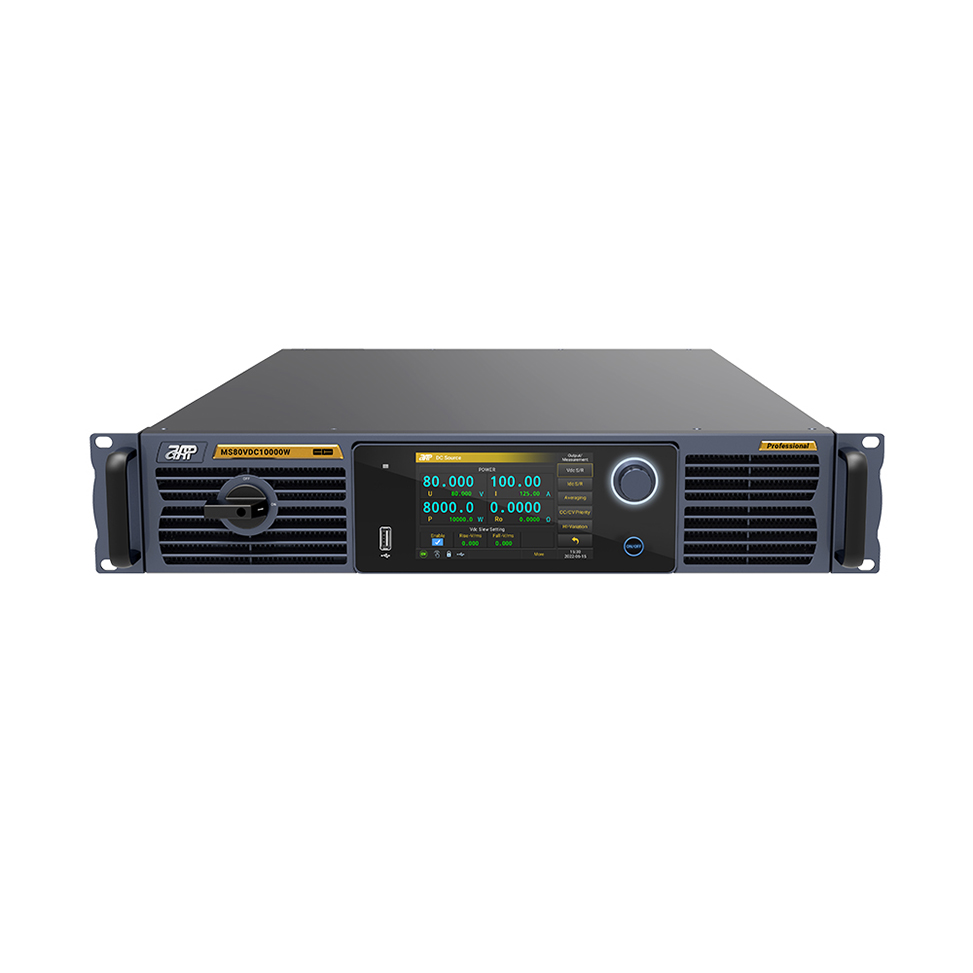
Ultimately, safety features are not optional add-ons but core components of a reliable Programmable DC Power Supply. They protect valuable equipment, ensure operator safety, and contribute to stable and predictable performance. When evaluating different models or suppliers, buyers should carefully assess the depth and reliability of these safety mechanisms rather than focusing solely on output specifications.
A well-protected Programmable DC Power Supply is an investment in long-term reliability, operational confidence, and professional testing standards.