

Voltage range is typically the first parameter users consider when selecting a programmable DC power supply. The required voltage depends on the device or system being powered or tested. For low-voltage electronics such as microcontrollers, sensors, and digital circuits, a lower voltage range is usually sufficient. These applications often require precise voltage control and low noise rather than high output power. In contrast, industrial equipment, power modules, and automotive electronics may require higher voltage ranges to simulate real operating conditions or power larger systems.
Current range is equally critical and often underestimated. The required current depends on how much power the device under test consumes, especially during peak operating conditions. Many electronic devices draw significantly more current during startup or under load than during normal operation. A programmable DC power supply with insufficient current capability may cause voltage drops, unstable operation, or inaccurate test results. Selecting a power supply with adequate current headroom ensures stable output and protects both the power supply and the device under test.
Power rating, which is the product of voltage and current, is another key consideration. While voltage and current ranges define the limits, the total power rating determines how much energy the programmable DC power supply can deliver continuously. For example, a power supply may offer a wide voltage range but limit the maximum current at higher voltages. Understanding this relationship helps users select a model that can deliver the required power across the entire operating range.
Different applications demand different voltage and current profiles. In laboratory testing, engineers often prefer programmable DC power supplies with wide and flexible ranges to accommodate multiple projects. This versatility allows one power supply to be used for various devices, reducing equipment costs. In production environments, however, power supplies are often selected for specific products with fixed requirements, prioritizing reliability and repeatability over flexibility.
Precision and resolution also play an important role when determining voltage and current ranges. Applications such as semiconductor testing or precision analog circuits require extremely fine control over output parameters. In these cases, a programmable DC power supply with high resolution and low ripple is more important than simply having a high maximum voltage or current. Selecting the right balance between range and precision ensures accurate and repeatable results.
Protection features are closely related to voltage and current selection. Overvoltage protection, overcurrent protection, and programmable current limits help prevent damage to sensitive components. When choosing a programmable DC power supply, users should consider how these protection settings align with the operating range of their devices. Properly configured limits provide an additional layer of safety during testing and operation.
Scalability and future requirements should also be taken into account. Many users choose a programmable DC power supply that exceeds their current needs to allow for future expansion. While this can be a smart long-term investment, selecting a power supply with excessively high voltage or current ratings may increase cost and reduce efficiency for low-power applications. A well-balanced selection considers both present and anticipated requirements.
Interface and control capabilities can influence how voltage and current ranges are used in practice. Programmable DC power supplies with digital interfaces allow users to dynamically adjust output parameters during testing. This is particularly useful in automated test systems where voltage and current profiles change throughout the test cycle. The ability to program ramps, steps, and limits ensures precise control across the selected range.
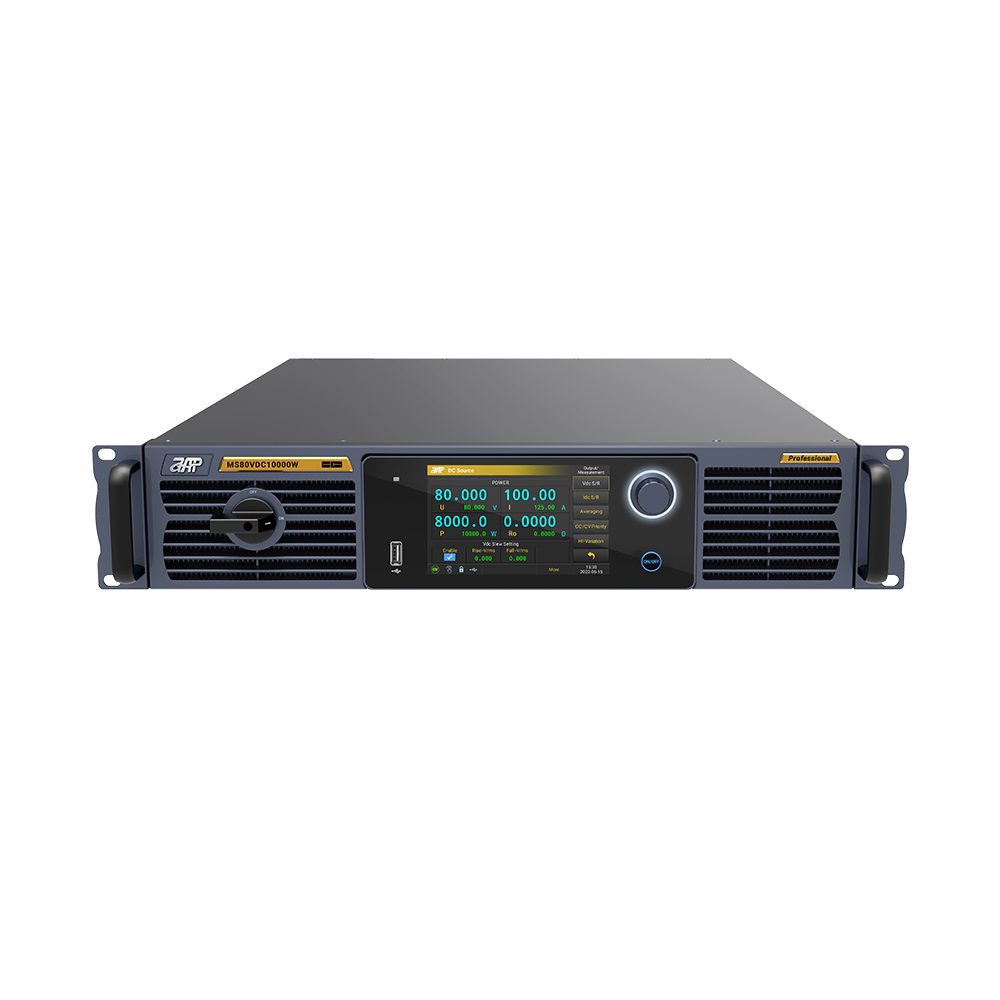
Environmental factors also affect voltage and current requirements. Temperature, load variation, and duty cycle can influence power consumption and stability. A programmable DC power supply designed to operate reliably under demanding conditions provides consistent performance even when operating near its rated limits.
In conclusion, determining the right voltage and current range for a programmable DC power supply requires a clear understanding of your application, power consumption, precision requirements, and future needs. By carefully evaluating these factors, users can select a programmable DC power supply that delivers stable, accurate, and efficient performance while avoiding unnecessary complexity or cost. The right choice ensures reliable operation across a wide range of applications and supports long-term project success.