

When engineers search whether a DC power supply is suitable for motor applications, they are often evaluating testing setups, small motor control systems, R&D environments, or industrial automation equipment. The answer depends largely on the motor type, application requirements, and performance expectations. A DC power supply can indeed power certain motor applications, but understanding its limitations and advantages is critical before implementation.
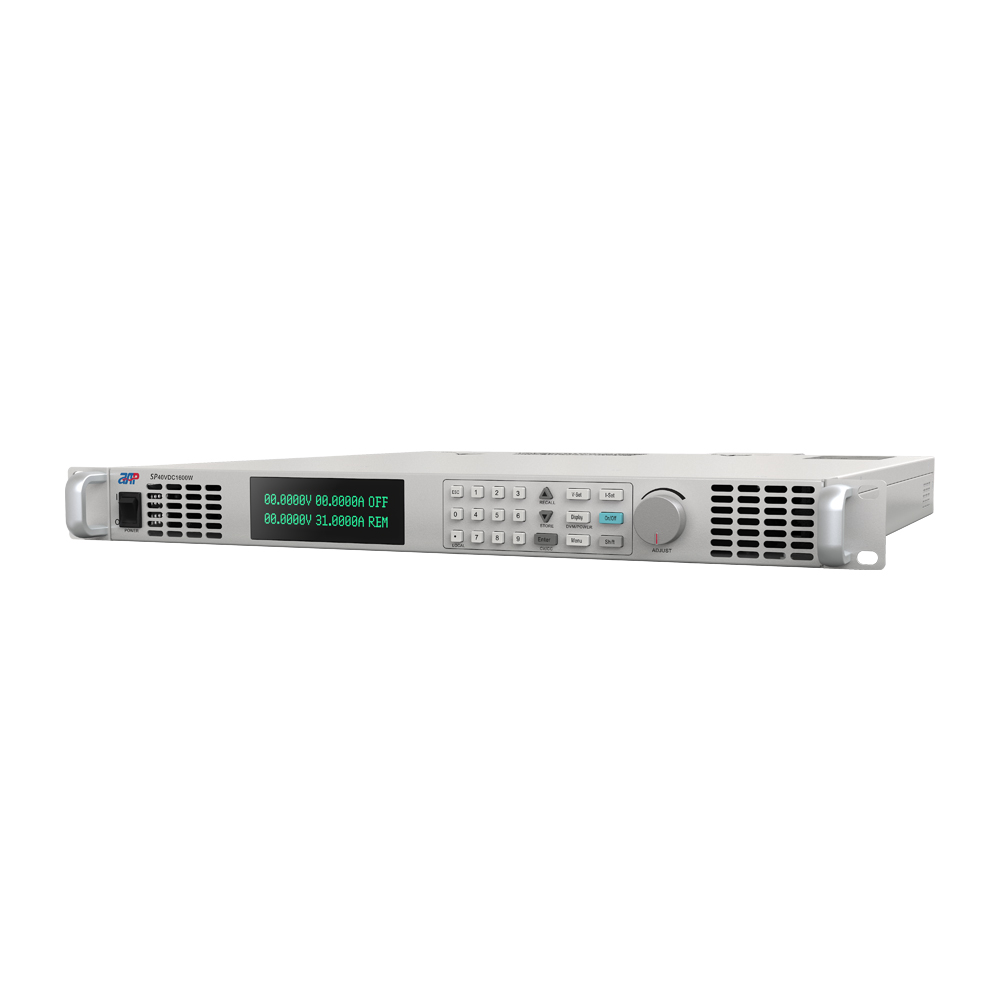
DC motors are widely used in automation systems, robotics, conveyor equipment, and laboratory devices. In controlled testing environments, a regulated DC power supply provides stable voltage and adjustable current, making it ideal for evaluating motor performance under different load conditions. Unlike batteries, a DC power supply offers continuous adjustable output, which is highly valuable during product development or quality inspection.
However, not all motors are suitable for direct connection to a standard DC power supply. Brushed DC motors are typically compatible, as they operate directly from DC voltage input. In contrast, brushless DC motors (BLDC) require a dedicated motor driver or controller. In such cases, the DC power supply acts as the input source for the motor driver rather than powering the motor directly.
One key factor to consider is starting current. Motors usually draw significantly higher current at startup compared to steady-state operation. If the DC power supply cannot provide sufficient surge current, the motor may fail to start or cause the power supply to enter constant current mode immediately. Therefore, selecting a DC power supply with adequate current headroom is essential.
For small motors used in laboratory experiments or prototype systems, a programmable DC power supply is often preferred. It allows users to gradually increase voltage to observe motor response, measure torque behavior, and monitor current consumption. This controlled environment reduces the risk of sudden overload.
In industrial motor testing scenarios, high-power DC power supply units are used to simulate battery systems or other DC sources. Engineers rely on accurate voltage regulation and fast dynamic response to evaluate motor efficiency and thermal characteristics. A stable DC power supply ensures that test results are reliable and repeatable.
Protection features are especially important when using a DC power supply for motor applications. Overcurrent protection, overvoltage protection, and short-circuit protection prevent equipment damage during stall conditions. If a motor shaft is blocked, the current may spike dramatically. A well-designed DC power supply will automatically limit current or shut down to protect both the motor and the power unit.
Another consideration is ripple and noise. Motors are generally less sensitive to ripple compared to precision electronics, but excessive output noise from a low-quality DC power supply can cause vibration or unstable operation. Industrial-grade power supplies typically offer low ripple output, ensuring smoother motor performance.
Heat management is equally important. Running motors continuously at high load can push a DC power supply close to its rated capacity. Selecting a model with sufficient cooling design and operating margin improves long-term reliability.
Efficiency also matters in large-scale applications. If the motor system operates for extended periods, choosing a high-efficiency DC power supply reduces energy loss and operational cost. Switching-type power supplies are commonly used in these scenarios due to their compact size and higher efficiency compared to linear models.
For automation systems integrating PLC control, the DC power supply may provide stable DC bus voltage to motor drivers. In this setup, the power supply must maintain consistent output under fluctuating load demands. Industrial automation environments require high reliability, so robust design and certification compliance are often key procurement considerations.
It is also important to distinguish between using a DC power supply for testing and for permanent motor operation. In R&D and maintenance environments, a DC power supply is an excellent adjustable power source. For long-term field deployment, however, dedicated motor power systems or battery systems may be more appropriate depending on application requirements.
In summary, a DC power supply is suitable for many motor applications, especially for brushed DC motors, laboratory testing, prototype validation, and controlled industrial setups. The key factors include sufficient current capacity, stable voltage regulation, proper protection features, and good thermal performance. When selected correctly, a high-quality DC power supply provides flexible, safe, and reliable power for motor systems.
If you are evaluating a DC power supply for motor-driven equipment, it is advisable to work with a manufacturer who can provide customized voltage and current specifications based on your motor type and load characteristics. Proper selection not only ensures stable motor operation but also enhances system efficiency and lifespan.