
Understanding how to switch between constant voltage and constant current mode is essential for anyone working with a DC power supply in laboratory testing, industrial production, battery charging, or electronic development. Many engineers and purchasing managers search for this topic because improper configuration can damage components, reduce efficiency, or even create safety risks. Knowing how these two operating modes work and how to transition between them properly can significantly improve both performance and reliability.
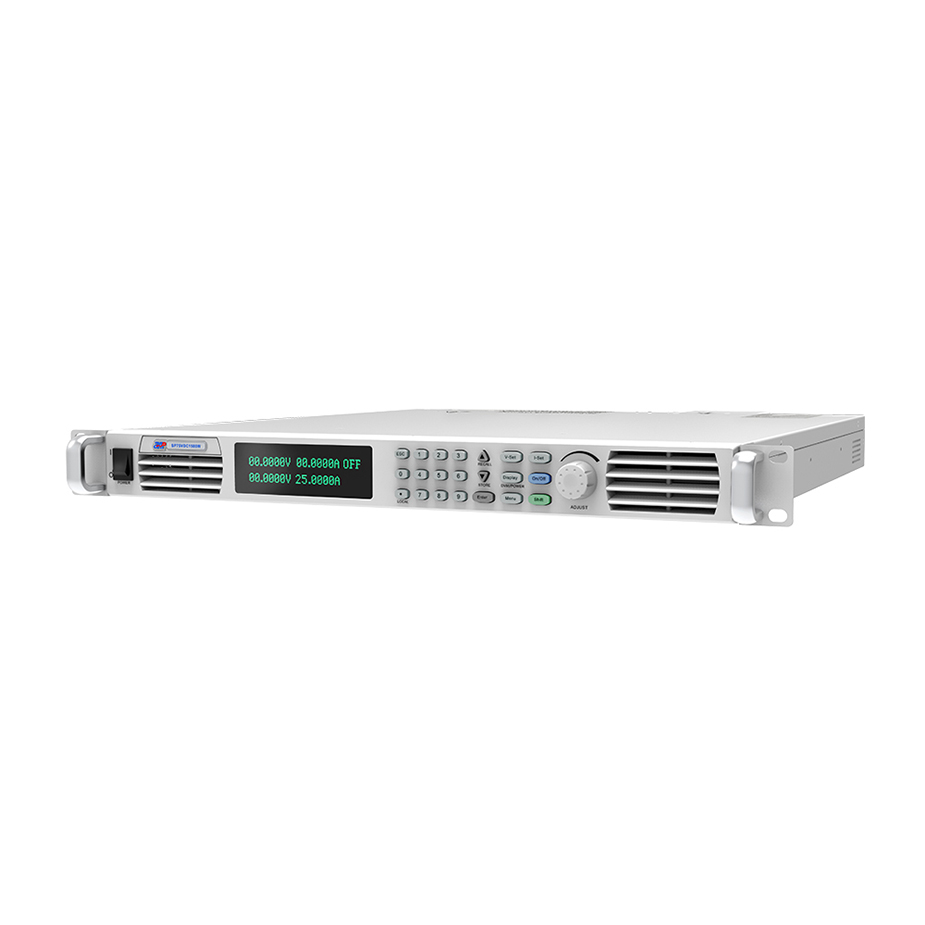
A modern DC power supply typically operates in either constant voltage (CV) mode or constant current (CC) mode. In constant voltage mode, the power supply maintains a stable preset voltage while allowing the current to vary depending on the load. In constant current mode, it maintains a fixed current while the voltage adjusts automatically to match the load requirements. The switching between these two modes is not always done manually; in most quality industrial DC power supply units, the transition happens automatically depending on load conditions.
To switch correctly between CV and CC modes, you first need to understand the relationship between your load and the preset limits. For example, if you set the voltage to 24V and the current limit to 5A, the DC power supply will initially operate in constant voltage mode. However, if the connected device attempts to draw more than 5A, the unit will automatically enter constant current mode to protect both the power supply and the load. This automatic crossover behavior is built into most regulated DC power supply systems.
When manually configuring the system, the safest approach is to set the current limit first before adjusting voltage. This is especially important when powering sensitive electronics or charging batteries. By setting a safe current threshold, you ensure that even if the device demands excessive power, the DC power supply will shift into constant current mode rather than delivering uncontrolled output.
For laboratory bench applications, switching modes may involve using front-panel controls, digital interfaces, or programmable software. Many programmable DC power supply models allow users to define CV/CC priority settings via remote control interfaces such as RS-232, USB, or LAN communication. This feature is particularly useful in automated testing environments where precise current limiting is required.
One common misunderstanding is that users must manually toggle between modes. In reality, a well-designed DC power supply does not require a physical switch between constant voltage and constant current. Instead, the mode is determined by load demand relative to preset limits. The display panel typically indicates which mode is active, often with a CV or CC indicator light.
In battery charging applications, the switching behavior is particularly important. During the initial stage of charging, the DC power supply often operates in constant current mode to deliver steady charging current. As the battery voltage rises and approaches the preset voltage limit, the unit automatically transitions into constant voltage mode. This seamless switching ensures efficient and safe charging cycles.
For motor testing or LED driver evaluation, switching modes can prevent component damage. If a load suddenly increases current draw due to startup surge, the DC power supply will enter constant current mode, preventing excessive current spikes. This protection mechanism is critical in industrial environments where equipment reliability directly affects production efficiency.
High-quality industrial DC power supply units are designed with smooth crossover characteristics, meaning there is no abrupt voltage drop or instability when transitioning between modes. Inferior products may exhibit oscillation or unstable output during switching, which can affect sensitive equipment. Therefore, when selecting a DC power supply supplier, engineers often evaluate dynamic response time and mode transition stability.
In programmable applications, users can simulate CV to CC transitions by adjusting load conditions while monitoring output behavior. This method is widely used in R&D labs to test product tolerance and safety margins. A reliable DC power supply should maintain accurate output regulation during the entire transition process.
Another key consideration is overcurrent protection (OCP). While constant current mode limits output to a preset level, OCP is an additional safeguard that shuts down the DC power supply entirely if current exceeds safe operating limits. Understanding the difference between CC mode and OCP is essential when configuring industrial systems.
Thermal performance also plays a role. When operating in constant current mode for extended periods, the DC power supply may generate more heat due to voltage drop adjustments. Advanced models include intelligent cooling systems and temperature-controlled fans to maintain stability.
For manufacturers and OEM buyers, the ability to switch reliably between constant voltage and constant current mode is often a purchasing criterion. In production lines, automated test benches rely heavily on stable mode transition performance to maintain consistent product quality.
In summary, switching between constant voltage and constant current mode on a DC power supply is primarily about setting correct voltage and current limits and understanding load behavior. Most modern units switch automatically based on demand. Proper configuration improves safety, protects components, enhances efficiency, and ensures long-term stability. When selecting a DC power supply for industrial or laboratory use, always consider dynamic response, protection mechanisms, and programmable capabilities to ensure smooth CV/CC operation.
If you are sourcing a programmable or industrial DC power supply for your application, choosing a manufacturer that offers stable mode transition performance and customization options can significantly improve operational reliability and reduce risk.