

What is a Linear DC Power Supply and Where is It Used?
A linear DC power supply is one of the most widely used types of DC power supply in electronics and laboratory environments. It is designed to convert alternating current (AC) into a stable and low-noise direct current (DC), making it highly suitable for precision-sensitive applications. Compared with other types of DC power supply units, a linear design focuses on output stability and low ripple rather than high efficiency.
In a typical DC power supply system, the linear structure uses a transformer, rectifier, filter, and voltage regulator to ensure clean and stable output. This makes it a reliable form of regulated DC power supply for laboratories, research facilities, and audio equipment testing environments.
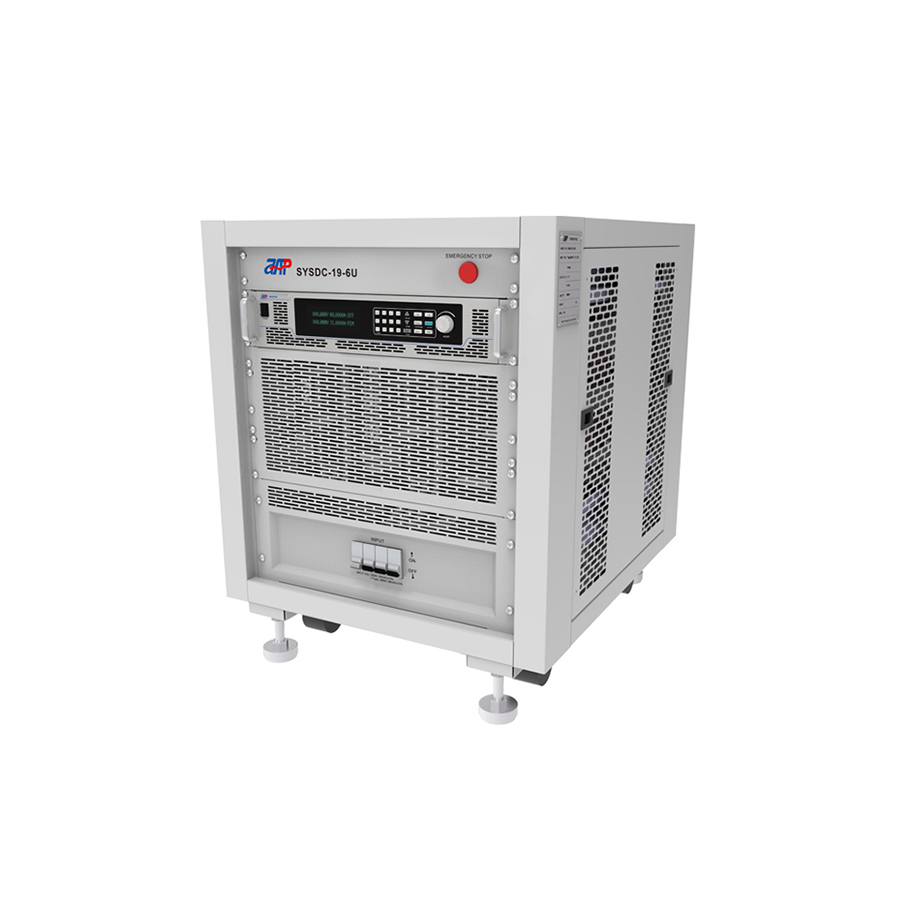
One of the main advantages of a linear DC power supply is its extremely low noise output. Because it does not rely on high-frequency switching, it minimizes electromagnetic interference. This is particularly important in applications where signal purity is critical, such as medical devices, precision sensors, and analog circuit testing.
Although it is not as efficient as a switching DC power supply, many engineers still prefer linear systems when stability matters more than size or energy efficiency. In fact, many adjustable DC power supply units used in laboratories still adopt linear design principles for better control and predictable performance.
A linear DC power supply is commonly used in research and development labs where engineers need to test sensitive electronic components. It is also widely applied in calibration systems, audio amplifiers, and communication equipment testing. These environments require a consistent and interference-free DC power supply unit to ensure accurate results.
In some advanced setups, linear systems are combined with programmable DC power supply features, allowing users to set precise voltage and current values. However, even in programmable systems, linear regulation is often chosen for low-noise output stages.
Another important usage scenario is in educational laboratories. Students learning electronics often use regulated DC power supply units based on linear design because they are safe, stable, and easy to understand. This helps them observe circuit behavior under clean and controlled conditions.
Despite its advantages, the linear DC power supply has limitations, including larger size, heavier weight, and lower efficiency compared to switching designs. However, in high-precision environments, these trade-offs are acceptable because output quality is more important than compactness.
In conclusion, a linear DC power supply remains a critical tool in many industries. Whether used as a regulated DC power supply, adjustable DC power supply, or part of a programmable DC power supply system, its role in delivering stable and clean energy makes it indispensable in modern electronics testing and development.