

A DC power supply is an essential component in almost every electronic system. It takes standard mains electricity (AC) and transforms it into a usable DC output that electronic circuits require. Understanding this process helps explain how devices from phone chargers to industrial equipment operate safely and efficiently.
Step 1: AC to DC Conversion (Rectification)
The first stage of any DC power supply is rectification. This is where the incoming AC voltage is converted into pulsating DC. A bridge rectifier made of diodes is commonly used to allow current to flow in only one direction.
This is the core function of an ac to dc converter, which blocks the negative half-cycle of AC and flips it into positive voltage pulses. However, this output is still unstable and not suitable for electronic devices.
Step 2: Filtering the Output
After rectification, the signal is still “rippled.” To smooth it, capacitors and inductors are used as filters. These components store and release energy to reduce fluctuations.
At this stage, the power becomes smoother DC, but it is still not perfectly stable for sensitive circuits.
Step 3: Voltage Regulation
The final stage is voltage regulation. This ensures the output remains constant even if input voltage or load changes. A regulator circuit stabilizes the output into a fixed or adjustable level.
For example, a 12v dc power supply provides a steady 12 volts regardless of small variations in input power.
In more advanced systems, a variable power supply allows users to adjust the output voltage and current depending on testing or operational needs.
AC DC Adapter vs DC Power Supply
An ac dc adapter is a compact version of a DC power supply commonly used for consumer electronics like routers, laptops, or small devices. It typically provides fixed voltage output.
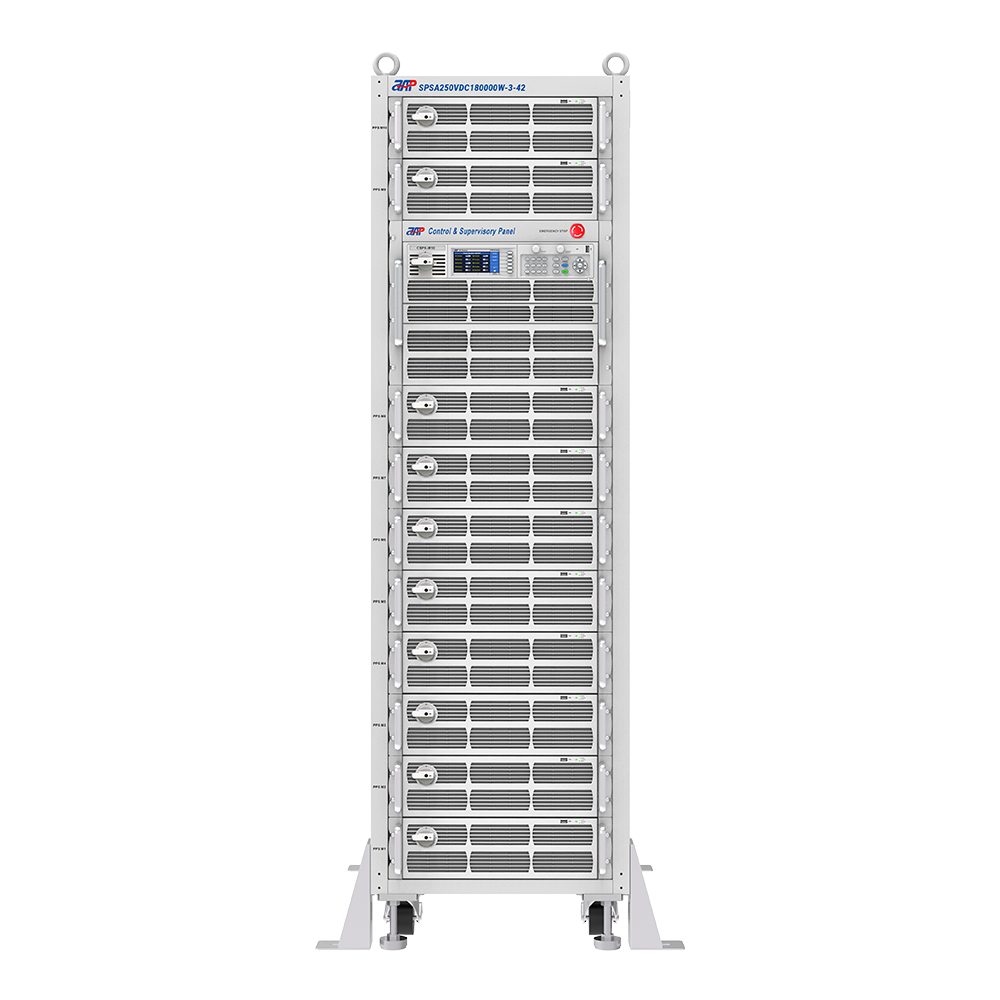
In contrast, bench or industrial DC power supplies offer higher precision, adjustable output, and better regulation for lab testing or manufacturing environments.
Applications of DC Power Supply
DC power supplies are widely used in electronics development, repair work, automation systems, and laboratory testing. Engineers rely on them to safely test circuits before connecting them to real power sources.
Whether it is a simple charger or a high-end programmable unit, the conversion process remains the same: AC input → rectification → filtering → regulation.
A DC power supply converts AC into DC through rectification, filtering, and regulation. This process ensures electronic devices receive clean and stable power. From an ac to dc converter inside adapters to advanced variable power supply systems in labs, the same core principle enables reliable operation across all electronics.