

Why Automated Testing Requires a Reliable Power Supply
Automated testing has become an essential part of modern manufacturing and product development. Whether testing batteries, semiconductors, power electronics, communication equipment, or industrial controllers, engineers need a power source that can deliver consistent and repeatable performance.
An APM Power Supply is designed to meet these requirements. Unlike conventional bench power supplies, it allows users to automate complex testing procedures through software, communication interfaces, and programmable operating modes. This minimizes human error while increasing testing speed and accuracy.
As testing systems become more advanced, the demand for intelligent power management continues to grow, making programmable power supplies an important component of automated test environments.
How an APM Power Supply Supports Automated Testing
The primary role of an APM Power Supply is to provide controlled electrical power during every stage of the testing process.
It allows engineers to:
- Supply precise voltage and current values
- Simulate different operating conditions
- Execute automatic test sequences
- Perform long-duration reliability testing
- Monitor electrical parameters in real time
- Record testing data for quality analysis
Because every test follows predefined parameters, results remain highly repeatable, making it easier to compare products and identify performance differences.
Key Features That Improve Test Efficiency
Modern APM Power Supplies include a wide range of intelligent functions that simplify automated testing.
Programmable Output
Users can program voltage, current, and power values according to different testing requirements. Multiple test profiles can be stored and executed automatically.
Remote Control
Communication interfaces such as LAN, USB, RS232, RS485, CAN, and GPIB enable engineers to control the power supply from a computer or automated production system.
Fast Dynamic Response
Many electronic products experience rapid load changes during operation. APM Power Supplies respond quickly to these variations, maintaining stable output and improving measurement accuracy.
High Precision
High output accuracy helps engineers obtain reliable testing results, especially for sensitive electronic components and precision instruments.
Applications Across Different Industries
An APM Power Supply is widely used in numerous automated testing applications.
Electric Vehicle Testing
Battery packs, battery management systems, charging equipment, and electric drive systems require programmable power sources for performance verification.
Power Electronics
Power converters, DC-DC converters, inverters, and industrial power modules all require stable power during development and quality inspection.
Consumer Electronics
Smartphones, tablets, wearable devices, communication equipment, and IoT products undergo automated electrical testing before shipment.
Aerospace and Defense
Electronic control systems, navigation equipment, and communication modules require highly stable testing environments to ensure dependable operation.
Renewable Energy
Solar inverters, energy storage systems, and charging stations require programmable power supplies to simulate different grid conditions.
Benefits of Using an APM Power Supply
Companies implementing automated testing gain several operational advantages.
Higher Productivity
Automated testing reduces manual operations and shortens testing cycles.
Better Product Quality
Consistent testing conditions help identify defects before products reach customers.
Improved Repeatability
Every test follows identical procedures, producing consistent and comparable results.
Lower Operating Costs
Automation reduces labor requirements while improving equipment utilization.
Flexible Testing
Engineers can easily modify testing programs to support new products without replacing hardware.
Integration with Automated Test Systems
An APM Power Supply can easily integrate into Automated Test Equipment (ATE) through standard communication protocols.
Software platforms can coordinate multiple instruments simultaneously, including:
- Digital multimeters
- Electronic loads
- Oscilloscopes
- Data acquisition systems
- Environmental chambers
The power supply becomes one component of a complete intelligent testing solution, allowing synchronized operation throughout the testing process.
Intelligent Features for Modern Manufacturing
Industry 4.0 and smart manufacturing require testing equipment that supports digital communication and data management.
Many APM Power Supplies provide:
- Remote monitoring
- Automated fault protection
- Data logging
- Sequence programming
- SCPI command support
- Network connectivity
These capabilities simplify production management while enabling predictive maintenance and continuous process improvement.
Choosing the Right APM Power Supply
Selecting an appropriate APM Power Supply depends on several factors.
Engineers should consider:
- Required voltage range
- Current capacity
- Maximum output power
- Output accuracy
- Programming resolution
- Communication interfaces
- Protection functions
- Future expansion requirements
A programmable model that supports automated integration often delivers greater long-term value as testing needs continue to evolve.
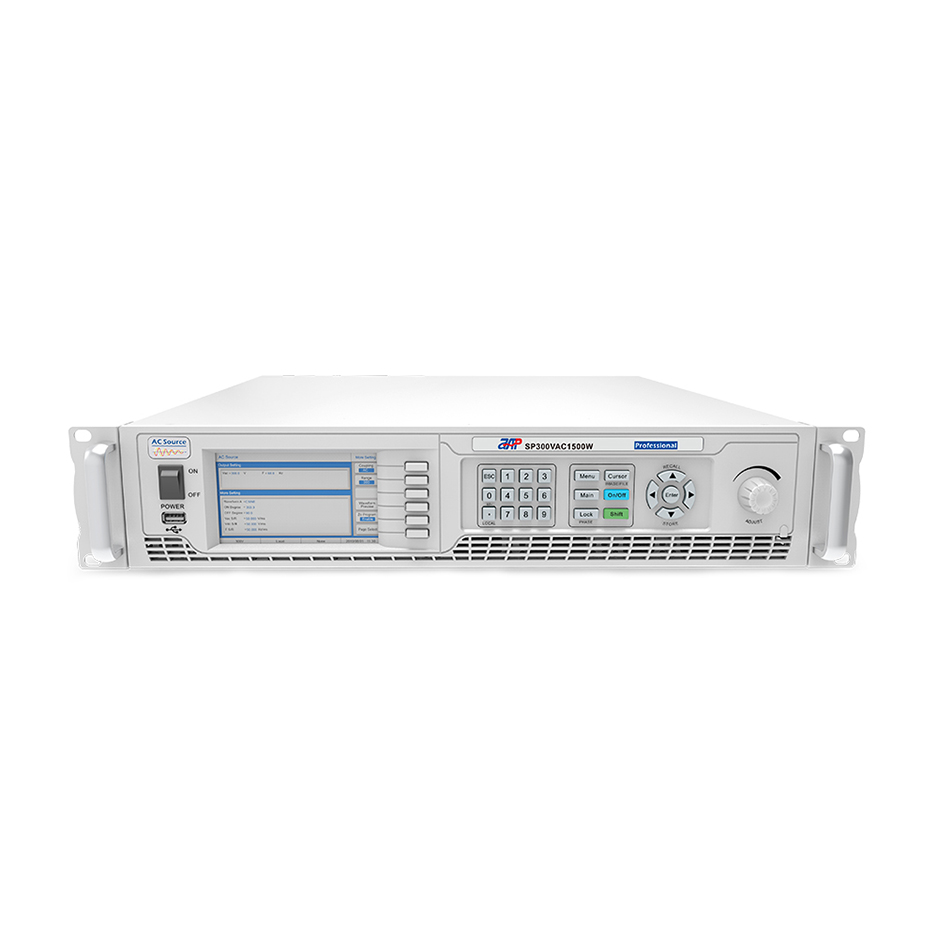
The role of an APM Power Supply in automated testing extends far beyond supplying electrical energy. It serves as a programmable, intelligent, and highly accurate testing instrument that enables manufacturers to automate complex testing procedures, improve measurement consistency, reduce production costs, and enhance product quality. As industries continue adopting smart manufacturing and automated production lines, APM Power Supplies remain an essential part of reliable testing systems.