

During the development of electronic products,PCB testing is an essential step before a design moves into mass production.However,powering a circuit board for the first time always involves certain risks.Design errors,short circuits,or damaged components may cause the circuit to draw excessive current.Without proper protection,this sudden surge of current can permanently damage the PCB.For this reason,engineers commonly use a DC Power Supply with current limiting to ensure safe testing.
A laboratory DC Power Supply offers adjustable voltage and current settings,making it ideal for electronics testing and debugging.Unlike fixed power adapters,these power supplies allow engineers to carefully control how much power is delivered to a circuit board.The current limiting function is particularly useful because it restricts the maximum current that can flow through the PCB.
In practical testing scenarios,current limiting works as a protection mechanism.When the PCB operates normally,the DC Power Supply provides a constant voltage output.However,if a fault occurs and the circuit begins to draw excessive current,the power supply automatically switches to constant current mode.This limits the current to the preset value and prevents overheating or component failure.
When using a DC Power Supply for PCB protection,engineers usually begin by analyzing the expected power consumption of the circuit.Based on the design specifications,they set the output voltage and then configure a safe current limit.Starting with a conservative current limit is a good practice,especially when testing a prototype board for the first time.
Monitoring the voltage and current readings is another important step.Most modern DC Power Supply units feature digital displays that show real-time output data.If the current suddenly rises and reaches the preset limit,it may indicate a short circuit,incorrect component orientation,or other circuit faults.Detecting these issues early helps engineers troubleshoot problems without damaging the PCB.
Gradually increasing the voltage during testing is also recommended.Instead of applying the full rated voltage immediately,engineers can slowly increase the output from the DC Power Supply while observing how the circuit behaves.This controlled approach reduces the risk of electrical stress on sensitive components.
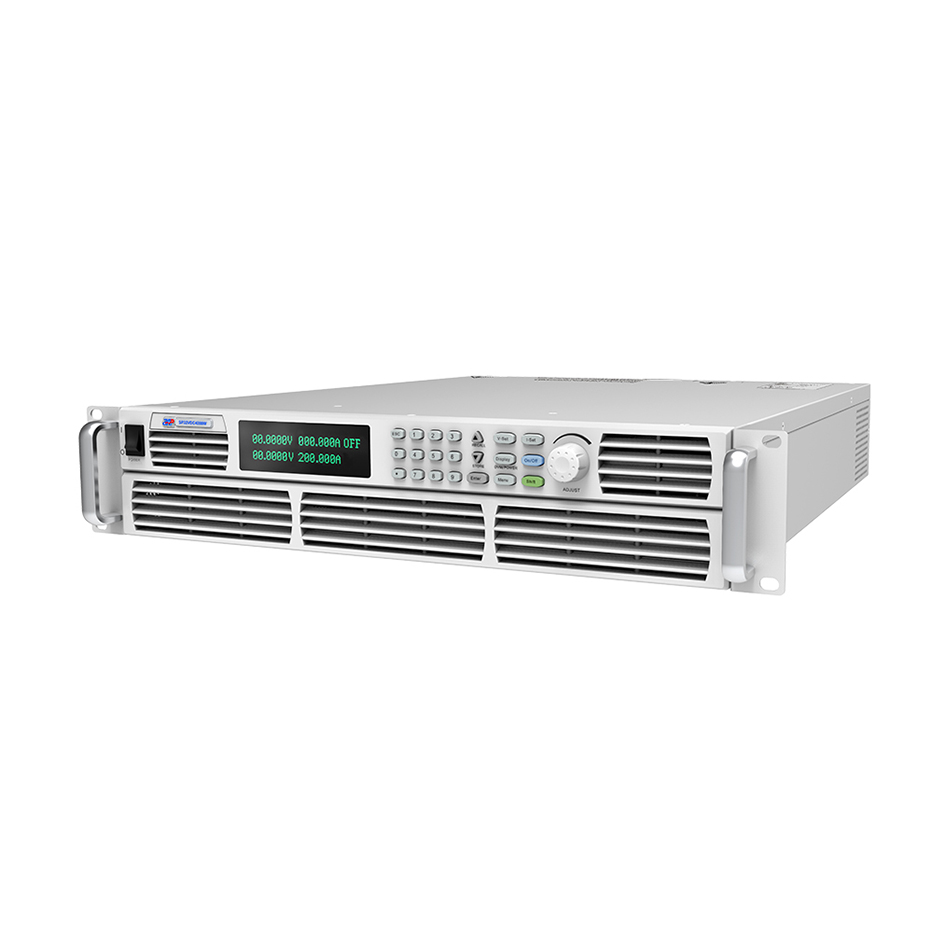
Today,programmable DC Power Supply systems are widely used in electronics laboratories,manufacturing production lines,and product reliability testing environments.Their precise voltage control,adjustable current limits,and built-in protection features make them an essential tool for PCB development and electronic device testing.
By using a high-quality DC Power Supply with current limiting,engineers can significantly reduce the risk of component damage,improve testing safety,and ensure more reliable circuit development.For any electronics engineer working with PCBs,a dependable DC power supply is one of the most important instruments in the laboratory.